ServicesWell Water Filtration
Well Water Filtration in Westlake Village
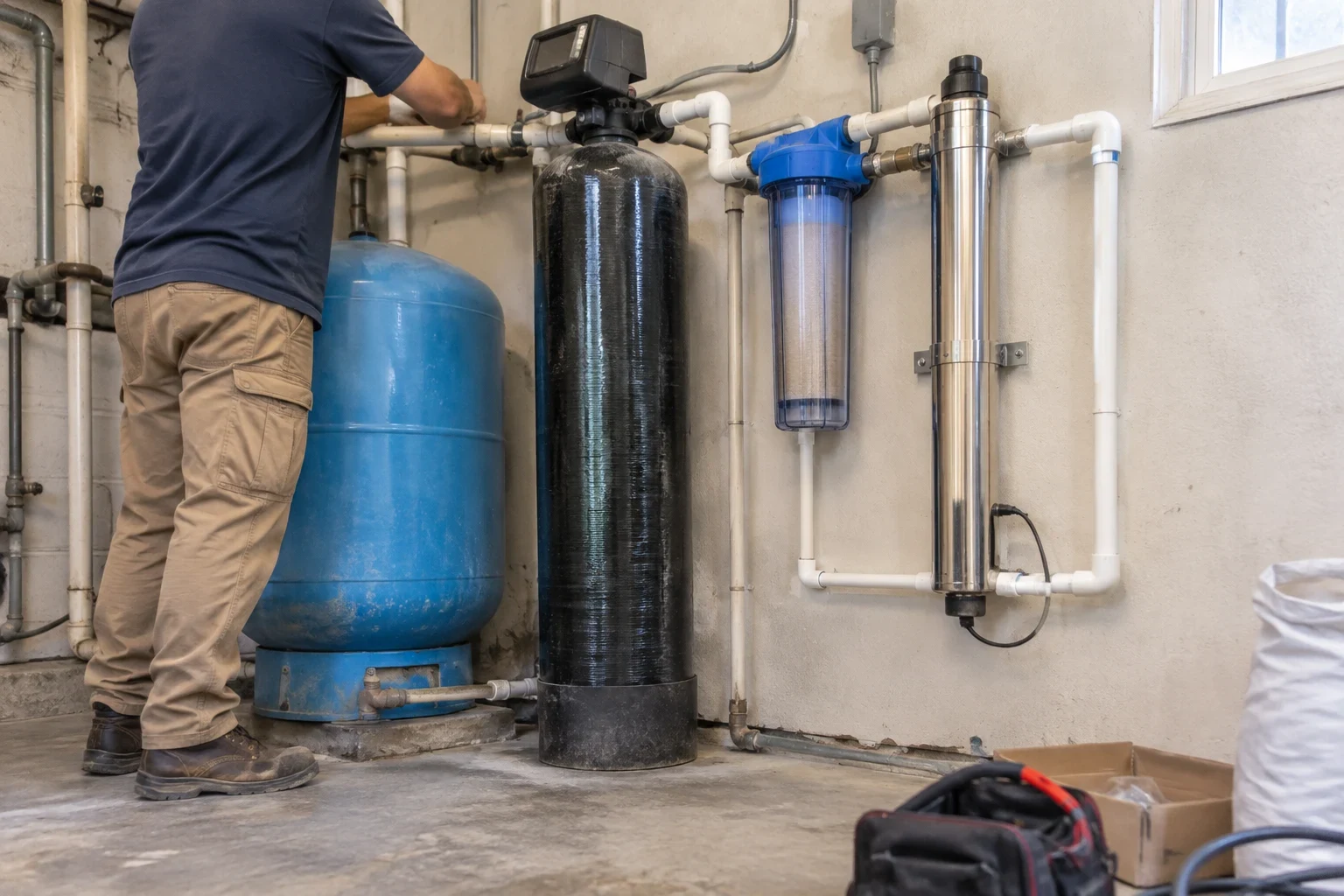
If your home runs on a private well, nothing cleans the water before it reaches your tap except the filter you put in. We size and install well water filtration around what your water actually carries, so you can plan the work and budget for it calmly.
Filtration for homes that draw their own water
Water from a utility has already been treated by the time it reaches you. Water from a private well has not. It can carry fine sand and silt, dissolved iron and manganese that leave marks on fixtures, or a sulfur smell that tends to be worst in the hot water. All of this is common with wells, and nearly all of it can be handled with the right equipment.
Well water also shifts over time. A long, dry summer can lower the water level and draw more sediment into the pump, while a wet winter can churn things up differently. We build in enough capacity for those changes, so your system keeps up the first time your water behaves differently.
Have an independent lab's results from your well? Keep them nearby when you call. We will read through the numbers with you and point out which ones your filter has to deal with.
What your well water system includes
- 01
Sediment pre-filter
The first stage traps sand, grit and silt so they never reach the main filter or your faucets. Because it is the part you will service most, we install it where you can get to it without a struggle.
- 02
Main filter matched to your water
We choose the core stage based on what your well actually delivers, such as iron staining, a sulfur smell, a metallic taste or some combination. You will hear our reasoning in plain language.
- 03
Bypass valve and shutoffs
A bypass lets your faucets, toilets and appliances stay in use during a cartridge change or a service visit, so upkeep never leaves your home dry.
- 04
Flow and pressure check
Pumps and pressure tanks differ widely from one well to the next. We make sure the system can supply your showers and appliances without the flow dropping off.
- 05
Optional drinking water stage
Some households pair the main system with reverse osmosis at the kitchen sink for cooking and drinking. We can include it now or leave space so it is easy to add later.
- 06
Free install
We offer free install (we cover the cost), which lets your budget go to the equipment and keeping it maintained.
Questions about Well Water Filtration?
Call(818) 392-5286Signs your well needs better filtration
Rusty marks on fixtures
Reddish rings that keep coming back in the toilet bowl, tub or sink usually mean iron is in your water. Dark gray or black streaks often point to manganese.
A rotten egg smell
A sulfur odor, often strongest the moment the hot water comes on, is common with wells and is one of the problems we are asked to fix most.
Sand in aerators and showerheads
If you find yourself rinsing grit out of faucet screens or showerheads, sediment is slipping past your current setup.
Filters clogging fast
A cartridge that plugs up in a few weeks rather than a few months is too small for your well or is working without a pre-filter.
Hazy water after storms or pump service
Cloudiness after heavy rain or a pump repair shows your system needs more capacity for the moments your well gets stirred up.
How a well water filtration project runs
- 1
A phone conversation first
You tell us what you are seeing, smelling or tasting, and share any lab results you have. We talk through likely options and what each one costs to own over time.
- 2
A look at your setup
We check where your well line enters the house, the pressure tank and the space available. This is when we confirm the system size and where it will mount.
- 3
Installation day
We shut off the water, install the system on the main line after the pressure tank, add the bypass and flush everything through. Most homes are without water for only part of the day, and we clean up before we leave.
- 4
Walk-through and a maintenance calendar
We show you how to use the bypass and change the cartridges, then leave you with a written schedule so filter costs are a planned expense rather than a surprise.
What shapes the cost
No two wells behave quite the same, so we price your system once we know what your water carries and how your plumbing is laid out. We also go over what cartridges and media will cost to replace, since that is the number you will plan around each year. Installation is covered on our side.
- What your water carries
- A well that only sends up sand calls for a simpler setup than one with iron, manganese and sulfur all at once. Each added problem can mean another stage or a bigger main filter.
- How much water you use at once
- If two showers, the dishwasher and the laundry often run together, the system needs a higher flow rating than it would in a smaller home.
- Room and pipe condition
- A cramped utility closet, aging pipe or equipment tucked into a hard-to-reach corner can add fittings and labor time to the job.
- How often parts get replaced
- Some filter media keep working for years, while cartridges on a sandy well might need swapping every few months. We show you both paths so you can pick the one that suits your budget.
- A drinking water stage
- Reverse osmosis at the kitchen sink is priced separately. Adding it at the same time as the main system usually keeps the installation simpler.
Well water filtration questions
Do I need a lab report before I call?
It is useful, but you can call without one. If an independent lab has checked your well recently, we will go over the results together and note which findings affect the filter choice. Otherwise, tell us about the stains, odors and tastes you notice and we will start there.
Will a filter make my showers weaker?
A system matched to how much water your home draws at once should leave your showers feeling the way they do today. A drop in pressure after filtering tends to come from equipment that is undersized for the household, or a cartridge left in long after it should have been swapped. Before we recommend anything, we check your pump and pressure tank so the filter fits what they deliver.
How often will I change filters?
That comes down to how much sediment your well sends up. On a sandy well, the pre-filter cartridge may need replacing every few months, and the main media often lasts far longer. Your written maintenance calendar lays out the timing.
How is this different from city water filtration?
City water filtration is aimed mainly at the chlorine taste and smell in utility water. A well setup handles sediment, iron, manganese and sulfur that never passed through a treatment plant. If your home is connected to municipal water, our City Water Filtration page will suit you better.
Does the system need electricity?
Basic cartridge systems run without power. Some larger tank systems that backwash on a timer need a standard outlet close by. We will tell you which kind fits your water and check for an outlet during the visit.
Plan your well filter before the next stain shows up
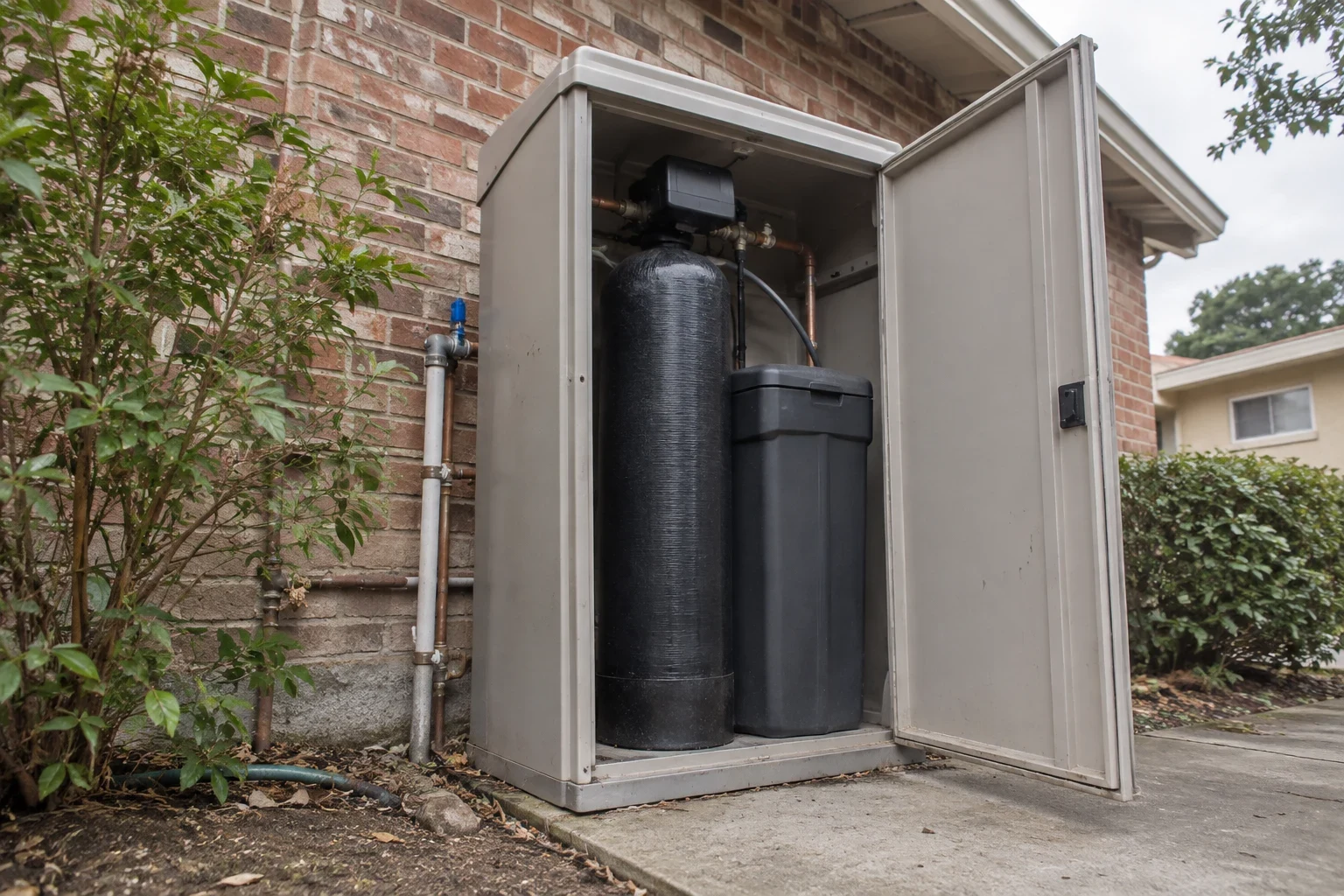
A short call is enough to tell us what your water is doing and get a sense of the right system. We will give you your quote by phone and a clear picture of upkeep costs.